
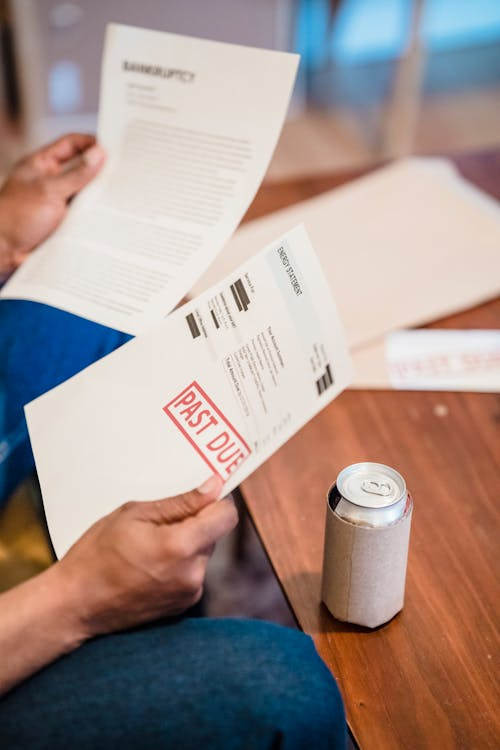
An eviction notice in Los Angeles is not a suggestion and it is not the start of a negotiation. It is the first procedural step in a process that, if unanswered, can move from a piece of paper at the door to a sheriff’s lockout in a matter of weeks. For tenants, How to Handle Eviction Notices is one of the most consequential skills available, because almost every later defensive option depends on what gets done in the first few days. Anyone looking for eviction help in Los Angeles should treat the arrival of a notice as the moment to start building a file, not the moment to wait and see what happens next. For a quick orientation to the broader process, our Los Angeles eviction help service page lays out the steps in plain language.
The three notice types tenants see most in Los Angeles
The vast majority of LA eviction cases start with one of three notices. The first is a three-day notice to pay rent or quit, served when the landlord alleges unpaid rent. The second is a three-day notice to cure or quit, served when the landlord alleges a curable lease violation. The third is a 30-day or 60-day notice to terminate, served when the landlord is ending a tenancy without alleging tenant fault, most often under just-cause categories defined by AB 1482 or local rent-stabilization rules.
Each notice type carries different rules about what the landlord must state, how the tenant can respond, and what happens if the notice is defective. The California Courts self-help eviction guide sets out the basic differences. Misreading the notice type is one of the most common early mistakes a tenant can make, because the right response to one type is the wrong response to another.
Reading the notice for defects that can void it
A notice that does not meet the statutory requirements can be challenged at the unlawful detainer stage. Common defects include incorrect rent amounts, failure to specify the period the rent is allegedly owed for, missing or incorrect address for the landlord to receive payment, failure to provide the required just-cause statement, and improper service. None of these are technicalities for their own sake. They exist because the law requires landlords to give tenants a clear, accurate, and legally complete piece of paper before any court action follows.

A tenant lawyer in Los Angeles reading a notice will look for these defects first, because a defective notice can sink the landlord’s eventual complaint without the case ever reaching the merits. Tenants reviewing their own notice should keep a copy of the original, mark the date and time of receipt, note who served it and how, and write down anything unusual about the service itself.
What the response window looks like in practice
For a three-day notice, the count starts the day after service, and weekends and judicial holidays do not extend it. For a 30-day or 60-day notice, the clock is calendar days. If the tenant does not pay, cure, or move within the notice period, the landlord can file an unlawful detainer complaint. Once that complaint is served, the tenant has 10 court days to respond, a window extended from five days by AB 2347 effective January 1, 2025.
Missing the 10-day window leads to a default judgment, and from there to a writ of possession and a sheriff lockout. The Stay Housed LA tenant rights guide is one of the clearest public resources on what the response window actually looks like and what options exist if it has nearly run out.
Mistakes that quietly forfeit a defense
Several recurring mistakes drain defenses long before trial. Paying disputed rent without a written agreement on how it will be applied can waive arguments about the underlying amount. Vacating after a 30-day notice but before any unlawful detainer is filed can forfeit relocation assistance the tenant was entitled to. Sending an emotional response email can hand the landlord usable admissions. Speaking to a process server beyond confirming identity can complicate later service-defect arguments.

These are not exotic situations. They show up regularly in the case files we organize for tenant defense attorneys. The fix is straightforward: do not communicate in writing without thinking about how the message will read in court, and do not pay, vacate, or sign anything without checking what the move costs in defensive terms. The Legal Aid Foundation of Los Angeles housing and eviction page provides a clear plain-English summary of what to avoid.
How the LA paralegal layer keeps filings on track
Once a tenant connects with an attorney, the paralegal layer behind that attorney determines how quickly the file becomes court-ready. Intake, document collection, deadline calendaring, exhibit preparation, and discovery drafting all sit with the paralegal team. For tenants without representation yet, paralegal support can still help with the organizational work that any incoming attorney will need to do anyway. The LA County Tenant Right to Counsel program provides free legal services to eligible tenants, and a well-organized file shortens the time it takes to get that program working on a case.
For tenants who need paralegal services in Los Angeles to support a defense attorney already on the case, the same principles apply. The file that arrives clean and tabbed will always perform better than the file that arrives in a paper bag. The LA Housing Department eviction defense program also coordinates resources for tenants in the city of LA.

What to do the moment the notice lands
The right move when a notice arrives in Los Angeles is to slow the situation down, not to react. Read the notice carefully, calendar every deadline, save every related document, and find legal support before drafting a response. The procedural floor under California tenants is sturdier than most people realize, but only for tenants who use the time the law gives them. At BPCS Law Evictions, our paralegal team supports the eviction lawyer’s caseloads across the county, handling the documentation, filings, and exhibit preparation that defense work depends on.
If you have just received a notice and need to find an attorney quickly, or you already have one and need eviction services in Los Angeles to keep the case moving, our eviction help page can take the next step. For tenants exploring how Los Angeles paralegal services fit alongside attorney representation, our team can walk through the options. To get in touch, please reach out.