

An unlawful detainer case is one of the most serious legal situations a tenant can face because it directly impacts the right to remain in a rented home. Once the process begins, timelines move quickly, court procedures become strict, and every document or response can affect the final outcome. Understanding how to prepare for such a case is essential for tenants who want to protect their housing rights and build a strong legal position.
This unlawful detainer defense guide provides a comprehensive breakdown of how tenants can prepare for court effectively, what evidence matters, how legal arguments are structured, and what steps can improve the chances of a favorable outcome.
Understanding the Nature of an Unlawful Detainer Case
An unlawful detainer action is a legal process initiated by a landlord to regain possession of a property. It typically follows issues such as unpaid rent, lease violations, or disputes over tenancy terms. However, not every case is straightforward, and many involve procedural or documentation errors that tenants can challenge.
Tenants often seek help from a tenant eviction attorney in Beverly Hills at the earliest stage to understand whether the landlord has followed proper legal procedures before filing the case.
Why Early Legal Response Matters
Timing is one of the most critical aspects of eviction defense. Once a tenant is served with court papers, they usually have a limited period to respond. Failure to respond within the deadline may result in a default judgment.

Legal professionals such as an unlawful detainer attorney in Beverly Hills help tenants identify deadlines and ensure that responses are submitted correctly and on time, preventing unnecessary legal disadvantages.
What Tenants Should Expect on the Day of Court
Preparing for an unlawful detainer hearing involves much more than simply appearing in court. Understanding what to expect on the hearing date can help tenants feel more confident and better prepared to participate in the legal process.
Court proceedings often move quickly, and judges may expect both parties to have their documents organized and readily available. Proper preparation before the hearing can reduce confusion and allow tenants to focus on presenting their position clearly.
Arriving Prepared and Organized
Tenants should bring all documents related to their case, including lease agreements, notices, payment records, photographs, and any written communication with the landlord. These materials may become important if questions arise during the hearing.
Many individuals seek assistance from paralegal services in LA to ensure that documents are organized in a manner that allows for quick reference during court proceedings.
It is also helpful to create multiple copies of important documents. One copy can be used by the tenant, another may be provided to the court, and additional copies may be needed for legal representatives.
Understanding Courtroom Procedures
Every court follows its own procedures and schedules. Cases are typically called according to the court calendar, and parties may have to wait before their matter is heard.
A tenant landlord lawyer can help explain local court procedures and provide guidance regarding what tenants should expect during the hearing process.
When the case is called, both parties generally have an opportunity to present information and respond to questions from the judge. Remaining calm and speaking clearly can help ensure that important facts are communicated effectively.
Presenting Evidence Effectively
Evidence should be organized in a logical order so that it can be presented quickly if needed. Documents that support the tenant’s position should be clearly labeled and easy to locate.
An eviction attorney in Los Angeles often emphasizes the importance of presenting evidence in an orderly and professional manner because disorganized materials can make it difficult for the court to understand the issues involved.
Useful evidence may include:
- Rent payment receipts.
- Maintenance requests.
- Photographs of property conditions.
- Copies of notices.
- Email and text message records.
- Witness statements, if available.
The ability to quickly produce relevant evidence can strengthen a tenant’s position and improve overall case presentation.
Understanding the Complaint and Legal Claims
The complaint filed by the landlord outlines the reasons for eviction and the legal basis for the claim. Tenants must carefully review every detail, including dates, amounts, and allegations, to determine whether they are accurate.
Awareness of tenant protections is essential because local housing laws often provide safeguards that limit unfair eviction practices or improper legal filings.
Building an Effective Legal Response
A tenant’s written response is one of the most important documents in an unlawful detainer case. It allows the tenant to deny allegations, present defenses, and challenge the landlord’s claims.
Many tenants rely on an eviction services provider to help structure responses correctly and ensure that all legal requirements are met before filing.
Gathering Evidence for Defense
Evidence plays a major role in eviction cases. Courts rely heavily on documentation rather than verbal claims. Useful evidence may include rent receipts, bank records, communication logs, and maintenance requests.
An unlawful detainer attorney in Los Angeles often assists tenants in identifying which documents will be most effective in supporting their defense strategy.
Importance of Lease Agreement Analysis
The lease agreement is the foundation of most eviction disputes. Courts examine its terms closely to determine whether either party has violated contractual obligations.
A tenant landlord lawyer helps interpret lease clauses and identifies whether the landlord’s claims align with the written agreement.

Common Legal Defenses in Eviction Cases
Tenants may raise several legal defenses depending on their circumstances. These can include improper notice, lack of evidence, or retaliation by the landlord.
Legal review from a tenant landlord lawyer ensures that tenants understand which defenses are legally valid and applicable to their case.
Role of Documentation in Case Strength
Well-organized documentation can significantly strengthen a tenant’s position. Disorganized or missing records can weaken even a strong legal defense.
Professional assistance from paralegal services helps tenants organize documents into structured case files that can be easily presented in court.
Preparing for Court Hearings
Court hearings require tenants to present evidence clearly and respond to legal arguments effectively. Proper preparation includes reviewing case materials, organizing exhibits, and understanding courtroom procedures.
An eviction attorney in Los Angeles can guide tenants through courtroom expectations and help them prepare for questioning and legal presentation.
Responding to Questions From the Court
Judges frequently ask questions to better understand the facts of the dispute. Tenants should answer honestly and focus on providing information that is directly relevant to the issues being discussed.
Individuals facing complicated matters may seek guidance from an unlawful detainer attorney in Beverly Hills to better understand the types of questions that commonly arise during eviction hearings.
Preparation can also help tenants avoid providing unnecessary information that may create confusion or distract from important legal arguments.
Maintaining Realistic Expectations
Court proceedings can be stressful, particularly when housing is involved. While preparation is important, tenants should also understand that every case is unique and outcomes depend on a variety of factors, including the evidence presented and the legal issues involved.
Working with an unlawful detainer attorney in Los Angeles can help tenants better understand the strengths and challenges of their case and prepare realistic expectations regarding the litigation process.
Ultimately, thorough preparation, organized documentation, and an understanding of courtroom procedures can make the hearing process less intimidating and help tenants participate more effectively in their defense.
Avoiding Procedural Mistakes
Even strong cases can fail due to procedural errors such as missed deadlines or incomplete forms. Courts strictly enforce procedural compliance.
Support from a paralegal service provider helps ensure all paperwork is accurate and submitted correctly, reducing the risk of technical dismissal.
Possibility of Settlement Agreements
Not all eviction cases proceed to trial. In some situations, landlords and tenants may reach agreements that resolve disputes without court judgment.
A tenant eviction attorney in Beverly Hills can help tenants evaluate whether settlement options are beneficial or whether continuing the defense is more appropriate.
Emotional and Practical Preparation
Eviction cases are not only legal challenges but also emotional ones. Tenants must remain focused, organized, and informed throughout the process.
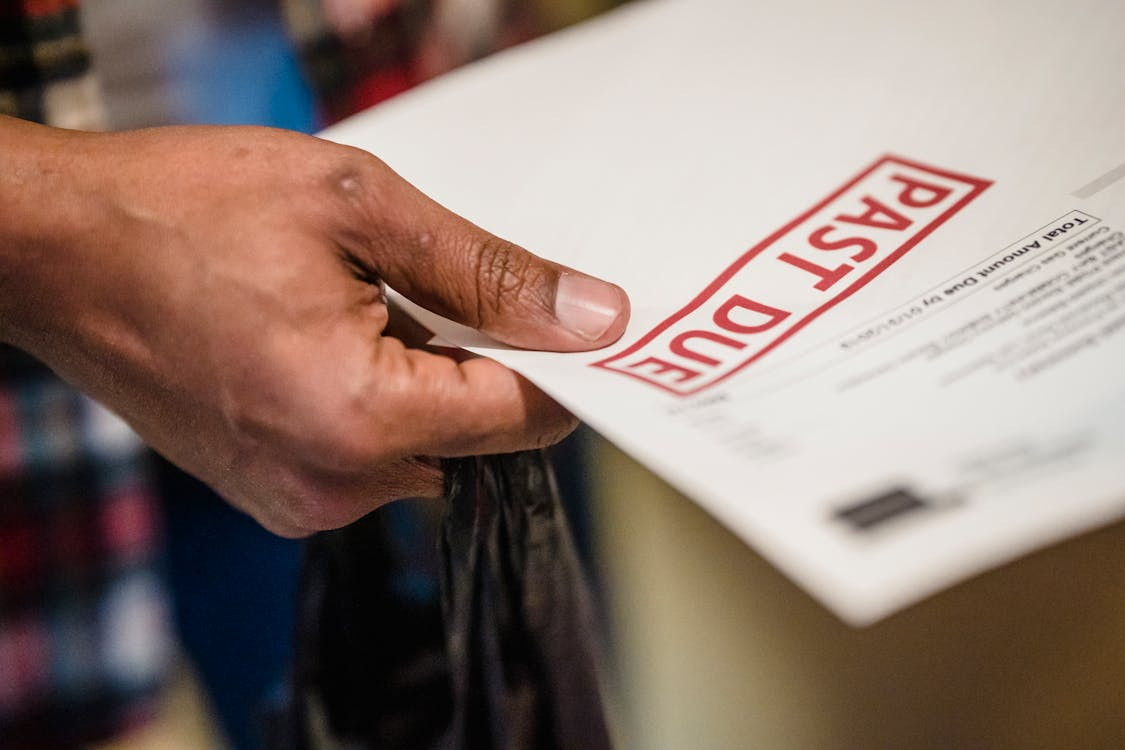
Maintaining clear documentation and consistent communication can significantly reduce stress during legal proceedings.
Final Court Decision Process
After reviewing all evidence and arguments, the court issues a final judgment. This decision may result in eviction, dismissal, or other legal remedies depending on the case.
An unlawful detainer attorney helps tenants understand the consequences of the judgment and possible post-trial actions.
Preparing for an unlawful detainer case requires attention to detail, strong documentation, and understanding of legal procedures. Tenants who take early action and seek proper guidance are better positioned to protect their rights and respond effectively in court.
If you are currently facing eviction or have received court papers, BPCS Law Evictions is here to help you understand your legal rights and build a strong defense strategy. Our team provides detailed case evaluation, court preparation support, and legal guidance tailored to your situation so you can move forward with clarity and confidence. Call us now.